

Every year I watch homeowners treat tree work like an oil change: something you do when the light comes on and something you can safely ignore until then. That instinct costs people more money than almost any other decision they make about their property, and they rarely see the connection until the bill lands.
The trouble is that a tree doesn’t send you a reminder. It grows quietly, shifts its weight over seasons, and by the time a problem is obvious enough to force your hand, the cheap version of the fix is usually gone. What follows is how the economics actually work, from someone who quotes this work for a living.
The real reason quotes vary so wildly from crew to crew
When two estimates for the same tree come back hundreds of dollars apart, most people assume one crew is padding the number. Sometimes that’s true. More often the two crews are quoting different jobs. One is pricing a clean pruning with a bucket truck and easy access. The other is pricing rope-and-saddle climbing over your fence, a longer haul to the chipper, and disposal fees they’ve learned not to eat. The tree looks identical from your porch. The work isn’t.
What you’re actually paying for beyond the cut
The sawing is maybe a third of the cost. You’re paying for insured labor, equipment that runs into six figures, fuel, the risk a climber takes leaving the ground, and the cleanup that turns a debris field back into a yard. A crew that shows up with a single ladder and a homeowner-grade saw can quote low precisely because they carry none of that overhead. The number reflects what stands behind it.
Why the cheapest bid usually isn’t
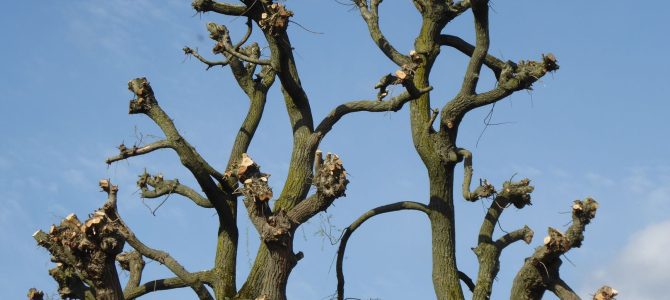
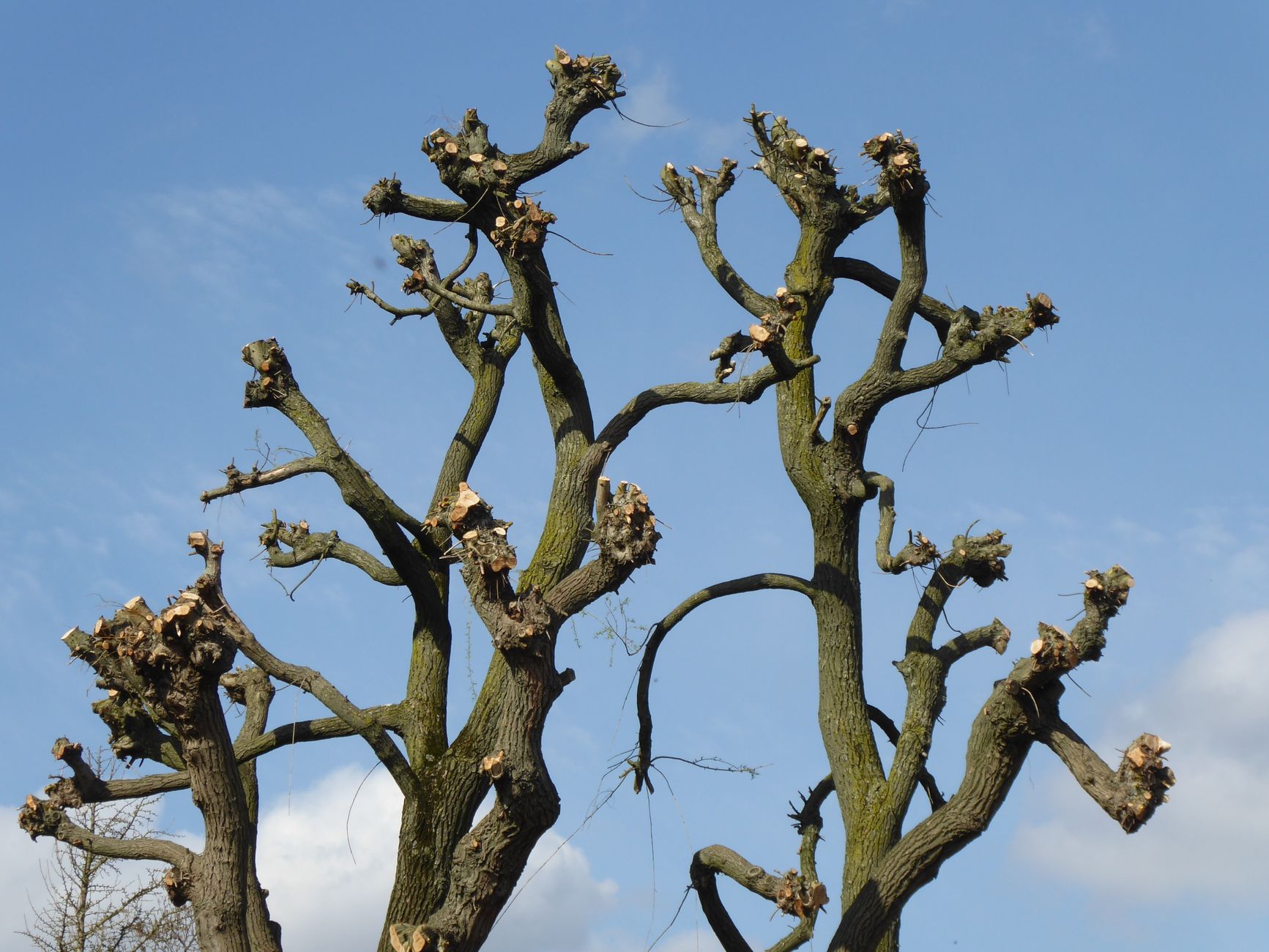
The lowest bid tends to win, and it tends to disappoint. Not always, but the pattern is reliable enough that I warn people about it. A price well under the others usually means something got left out: no insurance, no stump grinding, no proper disposal, or a plan to top the tree because it’s faster than pruning it right. You pay the difference later, either in a redo or in the slow decline of a tree that was pruned by someone in a hurry.
The seasonal pricing swing homeowners rarely plan around
Demand isn’t flat across the year. After a big storm, or through the peak of growing season, crews are booked and prices firm up because they can. Late winter and the slow stretches between weather events are when you have leverage. A homeowner who schedules non-urgent work in the off-season, rather than calling the week after everyone else does, often pays noticeably less for the exact same job.
How deferred trimming quietly turns into removal money
This is the part nobody explains at the start. A limb that needed a clean cut two years ago keeps growing, keeps adding weight, and keeps stressing its own attachment point. Deadwood accumulates. A branch that could have been managed becomes a structural liability, and a tree that could have been trimmed becomes a tree that has to come out. Pruning is priced by the hour and the difficulty. Removal is priced by the ton. Waiting doesn’t save the expense. It changes which category you’re paying from.
Reading a proposal like someone who knows the trade
A good proposal names the trees, describes the work per tree, and spells out cleanup and disposal. Vague language like “trim as needed” is a place for scope to shrink after you’ve signed. Look for whether stump work is included, who hauls the debris, and whether the crew carries both liability and workers’ comp. If you’re comparing quotes for tree trimming fayetteville nc, read them side by side line for line rather than bottom line to bottom line, because that’s the only way to see what each crew actually intends to do.
When paying more genuinely buys you less risk
There are jobs where the premium is the point. A large limb hanging over a roof, a tree near power lines, anything that requires precise rigging to lower pieces instead of dropping them, is not the place to shop on price. The higher bid there is often buying you an experienced climber, proper insurance, and the judgment to not make an expensive mistake with your house underneath. That’s not overhead you’re being charged for. It’s the whole reason to hire out the work.
A straight answer on what your yard actually needs this year
Most yards don’t need everything at once. Walk your property and sort trees into three groups: what’s a hazard now, what will become one within a couple of seasons, and what’s purely cosmetic. Handle the first group promptly, budget the second for an off-season window, and let the third wait without guilt. The homeowners who spend the least over ten years aren’t the ones who never trim. They’re the ones who trim the right trees before the cheap fix expires.